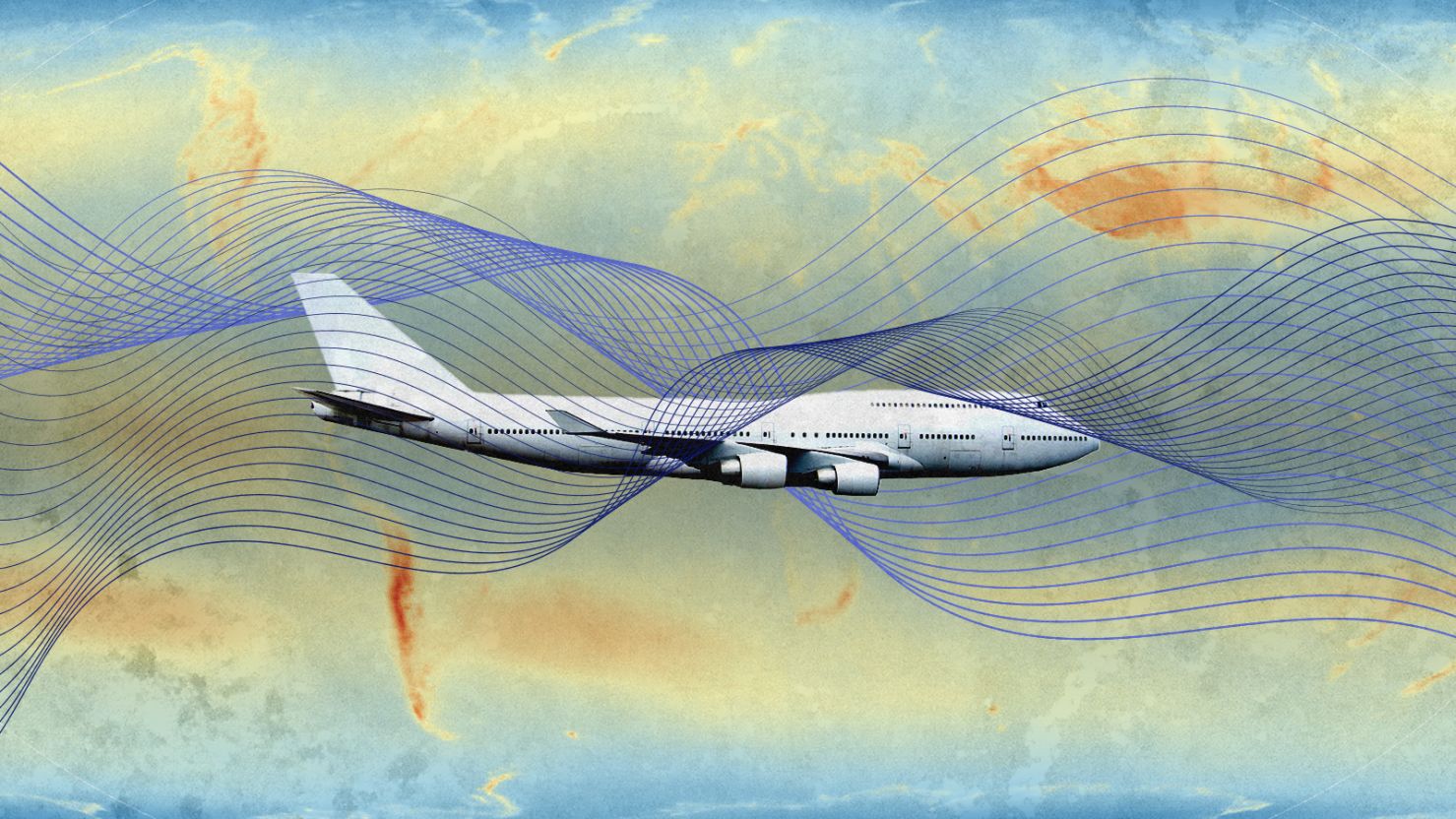
If flying feels bumpier than it did a decade ago, that’s not your imagination. Scientists, pilots, and aviation data all point to the same conclusion: air turbulence is becoming more frequent and more intense. This shift has real consequences not only for passenger comfort, but also for flight planning, airline operations, and even how travelers manage risk and anxiety.
Here’s what’s actually happening in the skies—and why turbulence is likely to stay part of the modern travel experience.
Climate Change Is Reshaping the Air Above Us
The biggest driver behind increasing turbulence is climate change. Rising global temperatures are altering how air moves at cruising altitudes, especially in the upper troposphere where commercial jets fly.
Warm air and cold air interact differently than they used to. As temperature contrasts sharpen, the atmosphere becomes more unstable. This instability creates stronger vertical air movements that aircraft experience as turbulence.
Clear-air turbulence, the most dangerous and unpredictable type, is especially affected. Unlike storm-related turbulence, it happens in clear skies and cannot be seen on radar, making it harder for pilots to avoid.
Jet Streams Are Becoming Faster and More Chaotic
Jet streams are fast-moving rivers of air that planes often use to save fuel and time. Climate change is making these jet streams stronger in some regions and more erratic in others.
When wind speeds within a jet stream change rapidly over short distances, it creates wind shear. That shear is a key ingredient for turbulence, especially at cruising altitude.
Why Clear-Air Turbulence Is Harder to Avoid
Clear-air turbulence forms near jet streams and has no visible clouds or storms. Pilots rely on forecasts and reports from other aircraft, but detection is still limited.
This means flights that look smooth on weather maps can still encounter sudden jolts, catching passengers and crew off guard.
Popular Flight Routes Are Seeing the Biggest Increases
Turbulence isn’t increasing evenly across the globe. Some of the world’s busiest air corridors are being affected more than others, particularly routes over the North Atlantic and North Pacific.
These routes sit directly under powerful jet streams that are becoming more unstable. As a result, long-haul flights between North America and Europe or Asia are reporting more moderate-to-severe turbulence events than in the past.
For frequent travelers, this explains why flights that once felt predictable now feel rougher, even in good weather.
Aircraft Technology Has Improved, But Physics Hasn’t Changed
Modern planes are safer and more flexible than ever. Wings are designed to bend, flight control systems adjust constantly, and structural tolerances are extremely high. Turbulence almost never threatens the integrity of an aircraft.
What hasn’t changed is the human experience inside the cabin. Sudden drops, sharp jolts, and prolonged shaking still feel alarming, especially when they occur without warning.
This disconnect—between real safety and perceived danger—is why turbulence anxiety is on the rise, even though flying remains statistically one of the safest forms of travel.
Turbulence Is Now a Planning Factor for Airlines
Airlines no longer treat turbulence as an occasional inconvenience. It’s becoming a consistent operational factor that affects:
- Fuel planning, as detours around turbulent zones increase consumption
- Flight times, due to altitude and route changes
- Crew injury risk, especially during unexpected clear-air turbulence
Severe turbulence incidents have led to more conservative seatbelt policies and changes in in-flight service timing. Some airlines now delay or limit cabin movement more often than they did in the past.
Why Injuries Are Increasing Even Though Crashes Aren’t
Most turbulence-related injuries happen when passengers or crew aren’t wearing seatbelts. As turbulence becomes harder to predict, sudden jolts occur more frequently during otherwise calm phases of flight.
This is why airlines increasingly recommend keeping seatbelts fastened at all times while seated, not just during announcements.
What This Means for Travelers in a Risk-Oriented World
For audiences interested in sports betting and casino news, turbulence fits into a broader theme: understanding risk versus randomness. Turbulence feels chaotic, but it follows identifiable patterns driven by atmospheric physics.
Just like odds in sports or volatility in live betting, turbulence isn’t about bad luck—it’s about shifting conditions. Travelers who understand this tend to manage anxiety better and make more rational decisions.
Many frequent flyers now approach flights the way seasoned bettors approach events: informed, realistic, and aware that variance doesn’t equal danger.
Practical Takeaways for Modern Flyers
You can’t eliminate turbulence, but you can reduce its impact on your experience by adjusting expectations and habits:
- Choose seats over the wing, where movement is usually less noticeable
- Keep your seatbelt fastened when seated, even during calm air
- Avoid standing or using overhead bins unless necessary
These small adjustments align with how airlines and pilots now operate in a more turbulent atmosphere.
The Bottom Line
Turbulence is getting worse, and the reasons are well understood. Climate change is reshaping jet streams, increasing atmospheric instability, and making clear-air turbulence more common on major flight routes.
This doesn’t make flying more dangerous, but it does make it feel more unpredictable. For modern travelers, understanding why turbulence happens is the key to handling it calmly—and recognizing that discomfort doesn’t equal risk.
Recommended Category: Lifestyle & Travel Insights